
Youth Football Gear: Essential Equipment Checklist
Youth Sports, Football Gear, Parent Guide
Youth Football Equipment Checklist: What Your Player Really Needs
If you’re a parent staring down a long list of football gear and wondering what’s actually essential, you’re not alone. This friendly guide walks you through helmets, pads, cleats, mouthguards, gloves, bags, clothing, and a few helpful extras for both tackle and flag football—so your child can play safely and confidently without you overbuying.
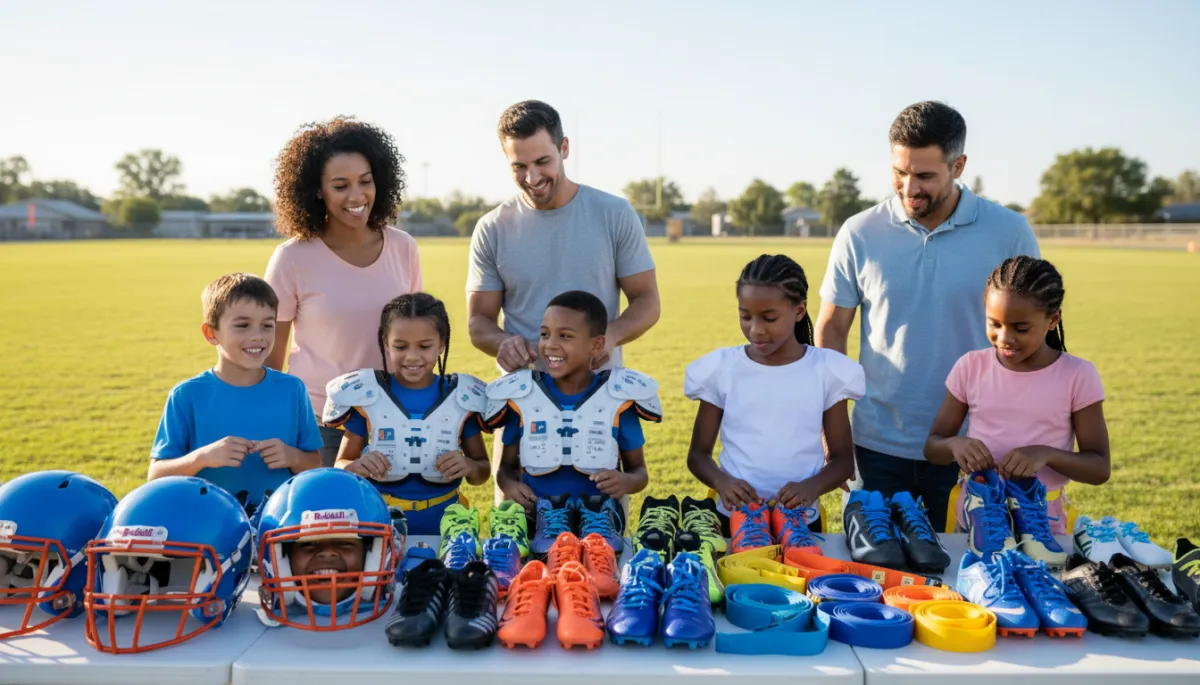
Youth Football Gear Made Simple
A parent-friendly checklist for safe, confident play
📌 Explore Football Gear → Football Hubb Store
Helmets: The Non‑Negotiable for Tackle Football
For tackle football, the helmet is the single most important piece of equipment. Look for a youth helmet that fits snugly all the way around the head, with no wobbling when your child shakes their head. Most leagues will either provide helmets or recommend approved brands and models, so always start by asking the coach or league director before you buy your own.
Make sure the chinstrap fastens securely and the face mask is appropriate for your child’s position and league rules. For flag football, many leagues do not require helmets at all, but some may use soft-shell headgear for added protection—check your specific program’s guidelines.
Helmet Covers: Extra Protection or Personal Style?
Not all football helmet covers serve the same purpose. There are two main types of helmet covers for youth football players: padded protective helmet covers and decorative helmet covers. Understanding the difference can help parents choose the right option for their young athlete.
Padded Protective Helmet Covers – Designed to Reduce Impact Forces
Padded helmet covers, such as Guardian Caps, fit over a player's existing football helmet and provide an additional layer of cushioning. They are designed to absorb and reduce certain impact forces during practices, drills, and player-to-player contact. While they may help reduce some impacts, they do not prevent concussions or eliminate the risk of head injuries. Parents should ensure that any padded cover is compatible with their child's helmet and permitted by their football league.
Decorative Helmet Covers – Designed for Style and Team Spirit
Decorative helmet covers are primarily designed to change the appearance of a football helmet rather than provide additional impact protection. Available in various colors, patterns, team designs, and creative styles, these covers allow young athletes to express their personality, support their team, or give their helmet a distinctive look. Unlike padded protective covers, decorative covers are not intended to absorb impacts or improve helmet safety. Parents should verify that decorative covers are allowed under their league's uniform and equipment rules.
Choosing the Right Helmet Cover
Whether you're looking for additional impact cushioning during practice or a fun way for your young athlete to show off their personality, understanding the difference between protective and decorative helmet covers is important. Always prioritize proper helmet fit, manufacturer compatibility, league regulations, and player safety when selecting football accessories.
📌 Explore Football Gear → Football Hubb Store
Pads: Protection from Shoulders to Knees
Tackle football players wear several types of protective padding to help absorb impacts and reduce the risk of injuries during practices and games. These include shoulder pads, hip pads, thigh pads, and knee pads. While helmets and shoulder pads are typically provided by the team or league, lower-body padding is often the responsibility of parents with the exception uniform pants and practice pants which come with slots for removable pads. Optional, compression shirts and shorts can be layered for additional cushioning. Optionally, compression garments with built-in pads, help keep young athletes protected, comfortable, and ready to play.
Shoulder Pads
Shoulder pads are typically provided by the team or league and are designed to protect the shoulders, chest, and upper back during tackles and blocks. Most shoulder pads have adjustable straps secured with buckles, clips, or T-hooks that keep the pads firmly in place around the player's torso. Parents should become familiar with these fasteners to help their child properly put on, adjust, and remove their equipment. A proper fit should fully cover the shoulders without excessive shifting while allowing enough flexibility to raise their arms, catch, throw, and block comfortably. If the pads slide around, feel too tight, or restrict movement, ask a coach to check the fit. For additional protection and comfort, players may wear padded compression shirts underneath their shoulder pads, which provide extra cushioning around the ribs, shoulders, and torso.
Hip, Thigh, and Tailbone Pads
Padded compression shorts, also called football girdles, typically include integrated hip, thigh, and tailbone pads, reducing the need for separate inserts. These garments offer a snug, flexible fit and often feature moisture-wicking materials to help keep players comfortable. For busy families, built-in padding provides a convenient combination of comfort, simplicity, and impact cushioning. Always confirm that the padding meets your league's equipment requirements, as supplemental compression gear does not replace mandatory protective pads.
Knee Pads
Knee pads help cushion impacts and protect young players' knees during tackles, falls, and contact with the ground. Most youth football uniform pants and practice pants feature designated pockets or slots for removable knee pads, allowing them to be inserted and positioned properly. Parents should ensure the pads fit securely, fully cover the knees, and stay in place during movement. Since pads may need to be removed for washing and can occasionally get lost, keeping an extra pair on hand is a convenient way to make sure your young athlete is always ready for practice or game day.
📌 Explore Football Gear → Football Hubb Store
Flag Football Pads
In flag football, padding is usually minimal. Some players like lightweight compression shirts with small pads in the shoulders or ribs for extra confidence, but they’re typically optional. Again, your league rules will tell you what’s required versus what’s just nice to have.
📌 Explore Football Gear → Football Hubb Store
Cleats: Traction for Grass and Turf
Proper cleats help your child run, cut, and stop safely. Youth football cleats should fit like a snug athletic shoe with a bit of room to wiggle the toes but not slide around at the heel. Molded rubber or plastic studs are the norm for kids; metal cleats are usually not allowed in youth leagues for safety reasons.
Many flag teams also allow soccer or multi-sport cleats, which can save money if your child plays more than one sport. Just make sure the shoes are comfortable, broken in before game day, and approved by the coach or league.
📌 Explore Football Gear → Football Hubb Store
Mouthguards: Small but Essential
Mouthguards protect teeth, lips, and even help reduce the risk of certain jaw injuries. Most tackle leagues require them, and many flag leagues do too. The most common type for kids is a boil‑and‑bite mouthguard that you fit at home with hot water so it molds to your child’s teeth.
Look for bright colors so they’re easy to spot in a gear bag, and consider buying a backup—mouthguards have a way of disappearing right before warm‑ups. Some attach directly to the helmet, which can help kids keep track of them between plays.
📌 Explore Football Gear → Football Hubb Store
Gloves: Better Grip and a Bit of Confidence
Football gloves aren’t always required, but many kids love them. The sticky palms can help receivers hang onto the ball and give younger players a little extra confidence when catching or carrying. For linemen, sturdier gloves with padding can protect fingers during blocking and tackling in youth tackle leagues.
In flag football, lightweight receiver-style gloves are usually enough. Make sure the gloves fit snugly—too big and they’ll slide around, too small and they’ll be uncomfortable and distracting.
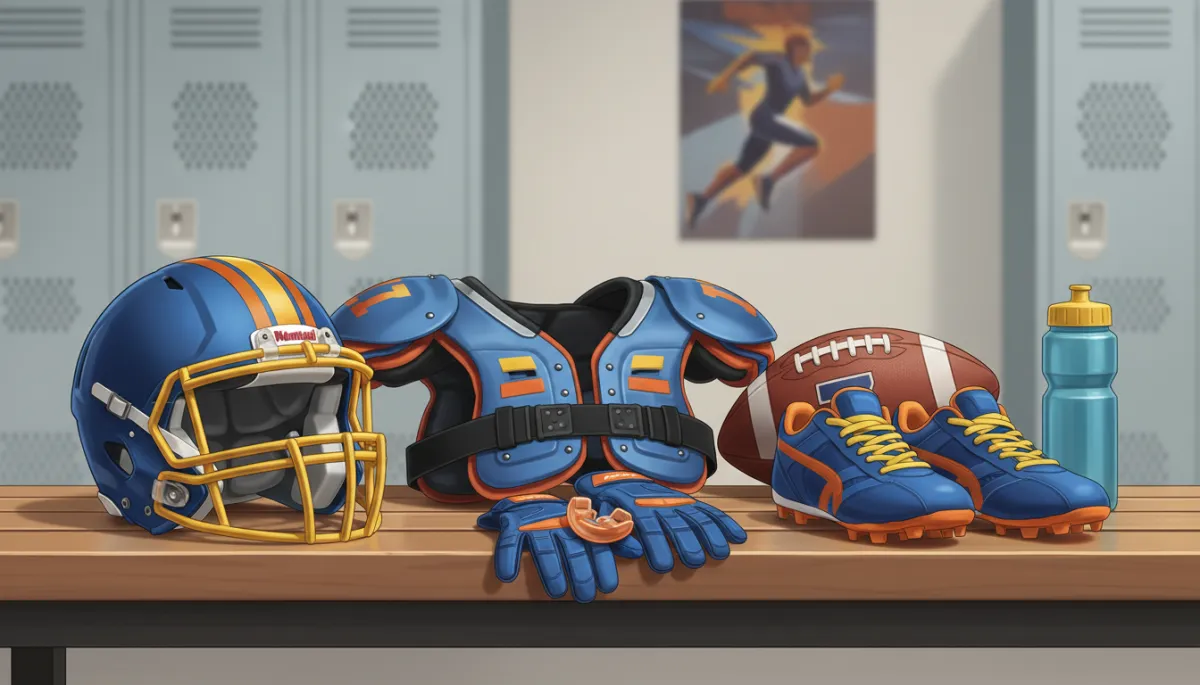
Laying out gear the night before practice helps kids feel prepared and calm.
📌 Explore Football Gear → Football Hubb Store
Bags: Keeping It All Together
A sturdy gear bag saves time and stress for both players and parents. For tackle football, look for a duffel or backpack large enough to hold a helmet, pads, cleats, and clothing. Some football-specific bags even have separate ventilated pockets for cleats and wet clothing, which can be a big help after rainy practices.
Flag players can usually get by with a smaller backpack that fits cleats, a water bottle, mouthguard, and flags. Label the bag clearly with your child’s name—many teams have identical or similar gear, and mix‑ups are common on busy sidelines.
📌 Explore Football Gear → Football Hubb Store
Clothing: From Game Uniforms to Practice Basics
Your league will typically provide a game jersey and sometimes game pants. Underneath, many parents like to add moisture‑wicking compression shirts and shorts to keep kids comfortable and to prevent chafing under pads in tackle football. Long football socks that cover the shin and calf help keep lower‑leg pads in place and protect against turf burns and scrapes.
For flag football, think lightweight and flexible: athletic shorts without pockets (or with pockets taped for safety), a breathable T‑shirt or team jersey, and appropriate socks. Avoid jewelry and any loose clothing that could get grabbed during play.
📌 Explore Football Gear → Football Hubb Store
Useful Extras for Tackle and Flag Football
Once the essentials are covered, a few small extras can make the season smoother. For both tackle and flag, pack a large water bottle, a small towel, and extra socks. Many parents also keep athletic tape or pre‑wrap in the bag for minor adjustments and hot spots that can turn into blisters.
For tackle players, consider a girdle with built‑in pads (it’s easier to wash than traditional pad sets), a skull cap to wear under the helmet, and a breathable undershirt. For flag players, a comfortable belt with sturdy flags is key—some leagues supply them, but having a personal set can be handy for practice or backyard games.
💡 Friendly Tip: Before buying anything, check with your league to see what’s provided, what’s required, and what’s optional. That simple step can save you money and prevent last‑minute scrambles before the first game.
📌 Explore Football Gear → Football Hubb Store
Bringing It All Together
Outfitting a youth football player doesn’t have to be overwhelming. Focus on the core pieces—helmet, pads, cleats, mouthguard, gloves, bag, and comfortable clothing—then add a few thoughtful extras to keep your child safe, organized, and confident. With the right gear and a little preparation, you can spend less time worrying about equipment and more time enjoying the season from the sidelines.
📌 Explore Football Gear → Football Hubb Store