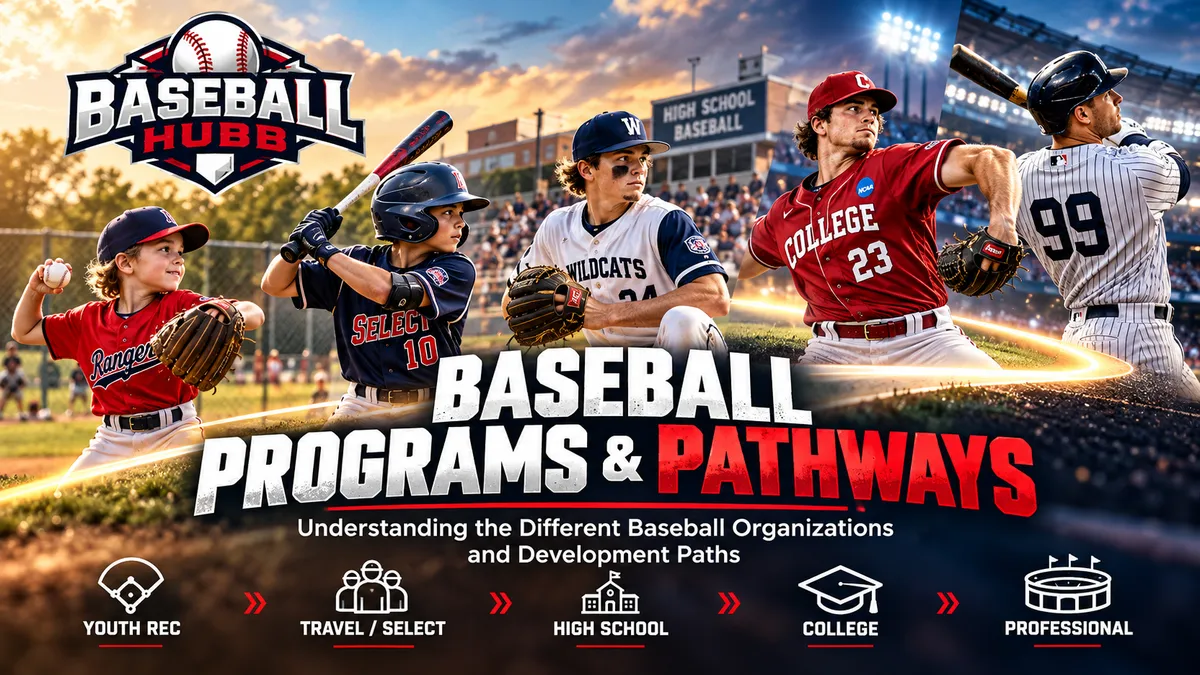
Youth Baseball Programs & Pathways Guide
Baseball, Youth Sports, Player Development, Pathways
Understanding Baseball Programs and Competitive Pathways
From Tee Ball and Little League to travel teams, high school, college, and beyond, today’s families face more youth baseball options than ever. This guide explains how the major programs and pathways fit together so you can make confident, informed decisions about your player’s baseball journey.
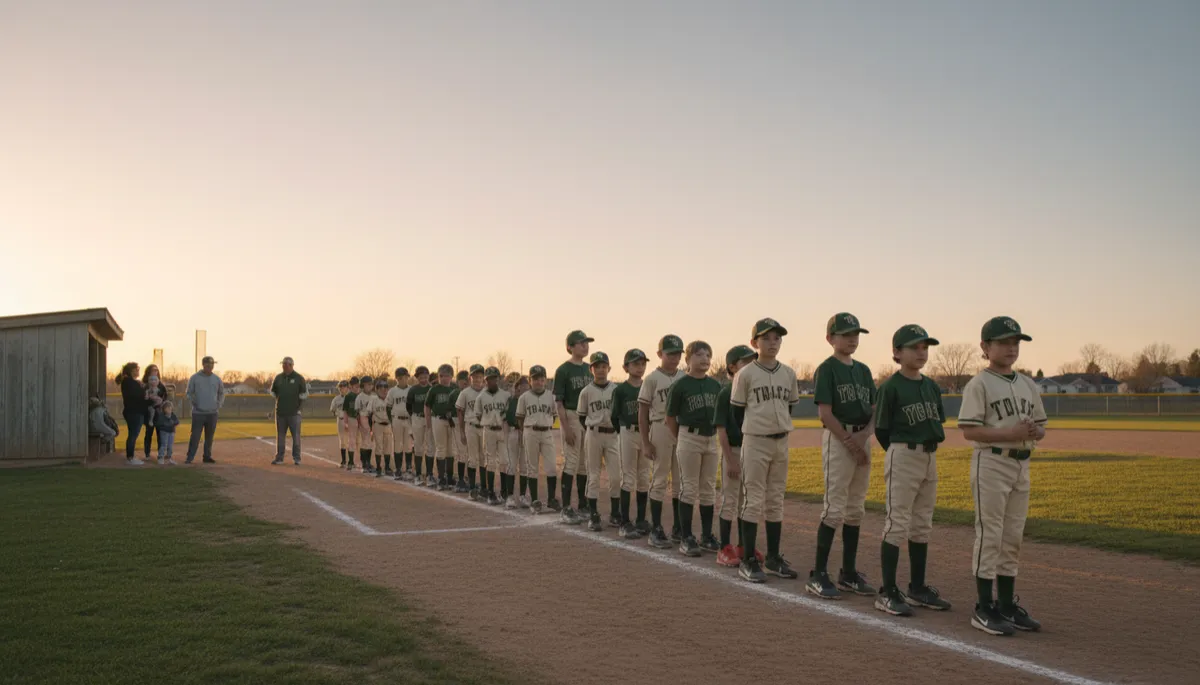
Mapping Your Player’s Baseball Journey
From first tee ball swing to college and pro opportunities
The Big Picture: Pathways in Youth Baseball
Youth baseball in 2026 isn’t one straight line; it’s a network of overlapping pathways. Most players move through several of these levels over time:
Recreational baseball (local leagues like Little League, Cal Ripken, PONY, municipal rec programs)
Competitive & travel baseball (USSSA, AAU, independent club teams, tournament circuits)
School and community teams (middle school, high school, American Legion, local select leagues)
Elite development & showcase platforms (Perfect Game, USA Baseball, academies, MLB youth initiatives)
College baseball (NCAA, NAIA, NJCAA and collegiate summer leagues)
Professional opportunities (MLB Draft, minor leagues, MLB Youth and international pathways)
Not every athlete will (or should) chase the most competitive track. The “right” pathway depends on age, current ability, interest level, and long-term goals—from simply loving the game with friends to pursuing a college roster spot or professional career.
Starting Out: Tee Ball and Early Recreational Baseball (Ages 4–8)
For most families, the baseball journey begins with recreational leagues. These programs prioritize fun, safety, and basic skill development over wins and losses. Major options include:
Little League Baseball — One of the world’s largest youth sports organizations, offering Tee Ball and divisions up to age 16. Little League emphasizes community, sportsmanship, and age-appropriate play, with opportunities like the renowned Little League World Series (littleleague.org).
Cal Ripken Baseball — The youth division (roughly ages 5–12) of the Babe Ruth League, focusing on skill development and keeping field sizes and rules aligned with kids’ physical growth (baberuthleague.org).
PONY Baseball & Softball — Organized into tight age bands (like Shetland 6U, Pinto 8U, Mustang 10U), PONY designs rules and field dimensions specifically for each stage of development (pony.org).
Many cities and counties also run municipal or independent rec leagues through parks and recreation departments. These may follow similar rules to the national bodies but are locally governed and often more flexible on schedules and commitment.
📌 Key Takeaway: In the 4–8 age range, the best program is usually the one that is close to home, keeps baseball fun, and gives every child plenty of playing time—regardless of the logo on the jersey.
Growing Skills: Recreational vs. Competitive League Play (Ages 8–12)
Around ages 8–12, families begin noticing differences between recreational and more competitive environments. At this stage, players often:
Continue in a traditional rec league (Little League, Cal Ripken, PONY, or local rec)
Join an “all-star” or select team within their league for postseason tournaments
Try travel baseball on weekends while still playing rec ball with friends
What Makes Recreational Baseball Different?
Everyone typically makes a team; drafts or balanced rosters keep competition even.
Equal or minimum playing time rules are common, especially at younger ages.
Seasons are shorter, with limited practices and local games—ideal for multi-sport kids or busy families.
What Defines Competitive and Travel Baseball?
Travel baseball is usually club-based rather than neighborhood-based. Teams may play in leagues or weekend tournaments sanctioned by organizations such as:
USSSA (United States Specialty Sports Association) — A major sanctioning body offering multiple competition levels, regional and national events, and rankings for teams across age groups (often 8U–18U).
AAU Baseball — Part of the Amateur Athletic Union, AAU provides tournament play and championships for club teams nationwide, often emphasizing multi-sport participation and flexible structures.
Travel teams usually hold tryouts, practice more frequently, and play against stronger competition. Costs and time commitments are higher—think multiple tournaments per month, hotel stays, and more intensive training expectations.
💡 Pro Tip: At 9 or 10 years old, “elite” travel baseball is not a requirement for future success. Many eventual college and pro players spent their early years in well-run recreational leagues, then moved into more competitive environments later.
Middle School to High School: School Teams and Advanced Club Play (Ages 12–18)
As players approach their teenage years, the baseball landscape shifts again. School baseball becomes a central pathway, and competitive club play often complements it.
School and Community-Based Competitive Options
Middle school and high school teams — For many athletes, making their school team is the first major milestone. These programs offer structured practice, strength and conditioning, and league schedules that colleges pay attention to.
Babe Ruth League (13–18) — Serving older youth, Babe Ruth provides full-size field play and regional/national tournaments, often for players who want serious baseball without or in addition to travel ball.
PONY, AAYBA, AABC, NABF, Dizzy Dean, and other USA Baseball member organizations — These bodies host leagues and championship events that give teens competitive reps and postseason goals, while aligning with USA Baseball’s safety and bat standards (usabaseball.com).
American Legion Baseball — A long-standing option for high school–aged players (13–19), known for summer competition that often features strong community support and quality coaching.
Travel and Club Baseball in the Teen Years
For players with higher aspirations, club and travel baseball often become key tools for development and exposure. Teams may play in regional leagues and showcase tournaments, sometimes under USSSA, AAU, or independent tournament brands. The focus shifts from just “more games” to:
Facing top-level pitching and hitting on a regular basis
Learning position-specific skills and advanced strategy
Being seen by college coaches and scouting services at major events
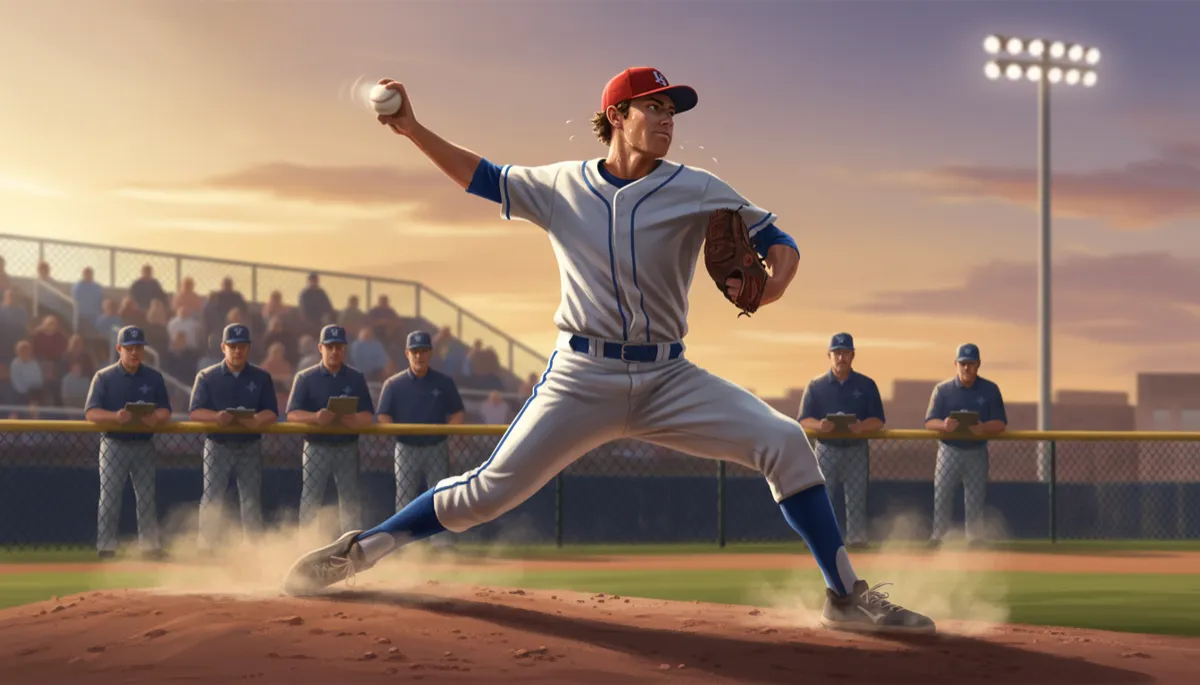
High school and travel seasons together form the launchpad toward college recruitment.
Elite Development: Perfect Game, USA Baseball, and MLB Youth Programs
For advanced players, certain organizations sit at the top of the amateur baseball pyramid, providing elite development and exposure opportunities.
Perfect Game and Showcase Platforms
Perfect Game is one of the largest organizations in amateur baseball, known for high-level tournaments and showcases that attract college and professional scouts (perfectgame.org). Players attend events where their measurable tools—such as pitching velocity, exit velocity, running times, and defensive metrics—are recorded and shared with recruiters.
Other scouting and evaluation platforms like Prep Baseball Report (PBR) play a similar role, ranking players regionally and nationally and providing video, statistics, and reports that colleges and MLB organizations use in their evaluations.
USA Baseball: The National Governing Body
USA Baseball oversees the amateur side of the sport in the United States and runs national team identification events, development programs, and championships. Their initiatives include:
National team trials and development programs for top youth and high school players
Coaching education and safety initiatives, including pitch count guidelines and bat standards (USABat)
Partnerships with member organizations such as AABC, NABF, Dizzy Dean, and others to align rules and player welfare standards
MLB Youth Programs and Access Initiatives
Major League Baseball has expanded its investment in youth development through a range of programs, particularly targeting underserved communities and high-upside talent:
MLB Youth Academies — Free or low-cost academies offering instruction, competition, and educational support in select cities (mlb.com/youth-academy).
RBI (Reviving Baseball in Inner Cities) — A program designed to increase participation and provide competitive opportunities for youth in urban areas.
Events like PLAY BALL Weekend, which bring introductory clinics and equipment to kids across multiple continents, encouraging new players to try the game.
📌 Key Takeaway: Elite development platforms like Perfect Game, USA Baseball, and MLB Youth Programs are designed for players who already show strong skills and commitment. They are not prerequisites for enjoying high school or even college baseball, but they can accelerate exposure for top prospects.
College Baseball Pathways: NCAA, NAIA, NJCAA, and Summer Leagues
For athletes who dream of playing beyond high school, college baseball is a major goal. The landscape includes:
NCAA Division I, II, and III programs, with varying scholarship limits and competition levels
NAIA schools, often smaller colleges with strong baseball traditions and scholarship opportunities
NJCAA junior colleges, which can offer a valuable stepping stone academically and athletically
Players are typically recruited based on a combination of high school performance, travel and showcase exposure, and verified metrics gathered at events or via technologies like Rapsodo and HitTrax. Many college-bound players also compete in collegiate summer leagues, which mix current college athletes with top high school seniors for advanced competition and continued scouting visibility.
Professional Opportunities: From Amateur Pathways to the MLB Draft
A small percentage of players advance from college or elite high school ranks into professional baseball. Pathways include:
Selection in the MLB Draft, typically after high school or college careers, based on years of performance and scouting reports.
Signing as undrafted free agents, often after strong showings in college or independent leagues.
MLB’s expanded development initiatives, including domestic and international academies, have created more structured pipelines, but the foundation remains the same: long-term development, consistent performance, and the right opportunities to be seen by evaluators.
How the Pathways Fit Together: A Sample Progression
Every player’s journey is unique, but many follow a general progression from beginner to advanced athlete:
Ages 4–8: Tee Ball and coach-pitch in Little League, Cal Ripken, PONY, or local rec leagues. Priority: fun, basic skills, and friendships.
Ages 8–12: Machine-pitch and kid-pitch rec ball, with optional all-star or select teams. Some families add beginner travel tournaments through USSSA or AAU for extra competition.
Ages 12–15: Transition to the big field via Babe Ruth, PONY, or other full-size leagues. Players try out for middle school or freshman teams and may join stronger travel clubs to prepare for high school competition.
Ages 15–18: High school baseball becomes central. Serious players combine school ball, competitive travel/showcase events (Perfect Game, PBR, USA Baseball events), and possibly MLB- or USA Baseball–backed development programs to pursue college recruitment.
Post–High School: College baseball at NCAA, NAIA, or NJCAA levels, plus collegiate summer leagues. A small subset advances to professional opportunities through the MLB Draft or free-agent signings.
💡 Pro Tip: Moving “up” a pathway too soon can backfire. It is often better to be a standout in a slightly lower level—getting reps, confidence, and coaching—than to sit on the bench for a so-called elite team.
Recreational vs. Travel vs. School vs. College vs. Pro: Key Distinctions
Level | Primary Focus | Commitment | Typical Goal |
|---|---|---|---|
Recreational | Fun, participation, fundamentals | Low–moderate, local | Enjoyment, basic skills, social connection |
Travel/Club | Competition, development, exposure | Moderate–high, regional/national | Skill growth, facing stronger opponents |
School | Representing school, structured team culture | Seasonal but demanding | Compete locally, build resume for college |
College | High-level performance, academics, maturity | Very high, year-round | Degree, continued competition, pro visibility |
Professional | Elite performance, job-level commitment | Full-time career | Compete at highest levels of the sport |
Choosing the Right Pathway: Key Considerations for Families
1. Age and Stage of Development
Before committing to a program, ask: What does my child need at this stage? Younger players (under 10) benefit most from reps, fun, and broad athletic development. High-volume, high-pressure travel schedules can wait. As athletes reach 13–16, more specialized training and competition may make sense if their interest and ability support it.
2. Ability Level and Readiness
Honest assessment matters. A player dominating rec ball and craving more challenge may thrive in travel or select environments. Another player might develop best with one more year in a rec league where they get confidence and plenty of innings at multiple positions. Good programs will place athletes where they can be challenged without being overwhelmed.
3. Interests, Personality, and Goals
Some kids want to play baseball year-round; others love it but also value soccer, basketball, or simply free time. Clarify whether your child’s goal is:
To have fun and stay active with friends
To make the high school team and compete locally
To pursue college baseball or even professional opportunities
The more ambitious the goal, the more intentional you’ll need to be about coaching quality, training environments, and exposure—but those decisions should always start with the athlete’s own motivation, not external pressure.
4. Time, Travel, and Financial Commitment
Travel baseball, showcases, and private lessons can be expensive and time-consuming. Before joining an elite program, families should understand:
How many weekends and nights per week will be committed?
What are the true costs (fees, travel, equipment, add-on training)?
Will this schedule allow for rest, schoolwork, and family balance?
5. Coaching Quality and Program Philosophy
Across all levels—recreational, travel, school, and elite—coaching quality may matter more than brand names. Look for programs that:
Emphasize long-term development over short-term trophies
Teach fundamentals, mental skills, and respect for the game
Communicate clearly with families about expectations and roles
📌 Key Takeaway: A great coach in a modest league is often better than a big-name logo with poor instruction. Ask about coach training, practice structure, and how they handle playing time and feedback.
Supporting the Journey: From Beginner to Elite Athlete
Becoming an “elite” player is less about jumping into the most competitive league as early as possible and more about steady, age-appropriate growth:
Early years: Build love for the game, basic movement skills, and versatility by playing multiple positions and even multiple sports.
Middle years: Add structured training, strength and conditioning appropriate to age, and gradually increase competition level when the athlete is ready.
High school years: Focus on refining tools that matter for the next level (velocity, bat speed, defensive consistency, baseball IQ), while using the right combination of school, travel, and showcase events for exposure.
Technology and data now play a bigger role—tools like Rapsodo and HitTrax help measure progress—but they are most effective when paired with sound coaching and a healthy mindset, not as shortcuts to success.
Final Thoughts: Building a Path That Fits Your Player
From Little League and Cal Ripken to USSSA travel tournaments, USA Baseball events, Perfect Game showcases, and MLB Youth Programs, families today have an unprecedented range of options. The key is remembering that there is no single “right” pathway. The best route is the one that matches your child’s age, abilities, interests, and goals—while keeping their love for the game intact.
Start local, ask questions, and evaluate programs based on coaching quality, culture, and fit—not just promises of exposure. As your player grows, you can always adjust the pathway: moving from recreational to competitive, adding school ball, or exploring elite development opportunities when the time is right. With thoughtful choices and patient development, baseball can be a powerful vehicle for confidence, character, and lifelong memories—whether the journey ends in tee ball trophies, a college commitment, or a professional clubhouse.
➡ Next Article: Family Guide to Buying a Baseball Bat
Ready for the next step in your player’s journey? Explore our detailed guide to choosing the right bat for your child’s age, league rules, and budget: https://hubbserve.com/post/family-guide-buying-baseball-bat.
📌 Shop Gear: The right gear supports safe, confident play. Visit our store for starter gear and equipment at https://baseball.hubbserve.com/store.