Trading Pin Collecting for Beginners | A Complete Guide
Your Guide to Collecting, Trading & Discovering Trading Pins
Discover how to start a trading pin collection, explore different types of collectible pins, learn the basics of pin trading, and turn small keepsakes into lasting memories.
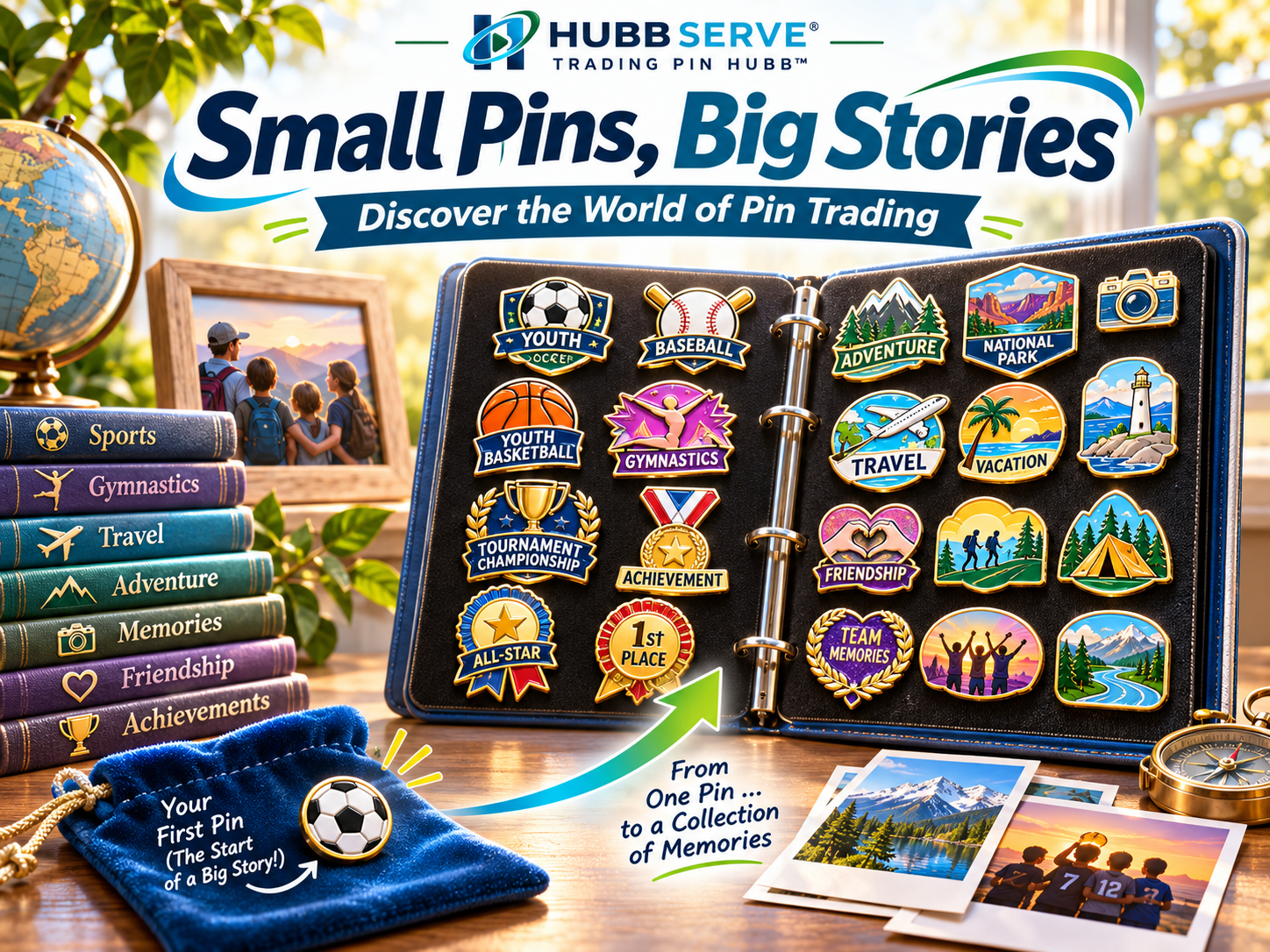
Small Pins, Big Stories: Discover the World of Pin Trading
Some hobbies begin with a special moment, a memorable event, or a unique souvenir. Trading pin collecting is one of those hobbies that can start with a single pin and grow into a collection filled with stories, achievements, friendships, and memories.
Whether you've received a pin at a sporting event, purchased one during a family vacation, or discovered a unique design at a trading event, each pin can represent something meaningful.
From youth sports tournaments and gymnastics competitions to travel destinations, theme parks, and special events, collectible pins offer endless opportunities to explore new interests and connect with other collectors.
At Trading Pin Hubb, we believe every pin tells a story—and every collection starts somewhere.
What Is Trading Pin Collecting?
Trading pin collecting is the hobby of acquiring, organizing, displaying, and sometimes exchanging decorative pins.
Most collectible trading pins are made from metal and feature colorful enamel designs. They can represent teams, destinations, organizations, characters, interests, achievements, or special occasions.
Some collectors focus on specific themes, while others collect pins that remind them of meaningful experiences.
One of the most exciting aspects of pin collecting is that there is no single right way to build a collection. You can collect for fun, preserve memories, celebrate accomplishments, or participate in organized pin trading activities.
Popular Types of Trading Pins
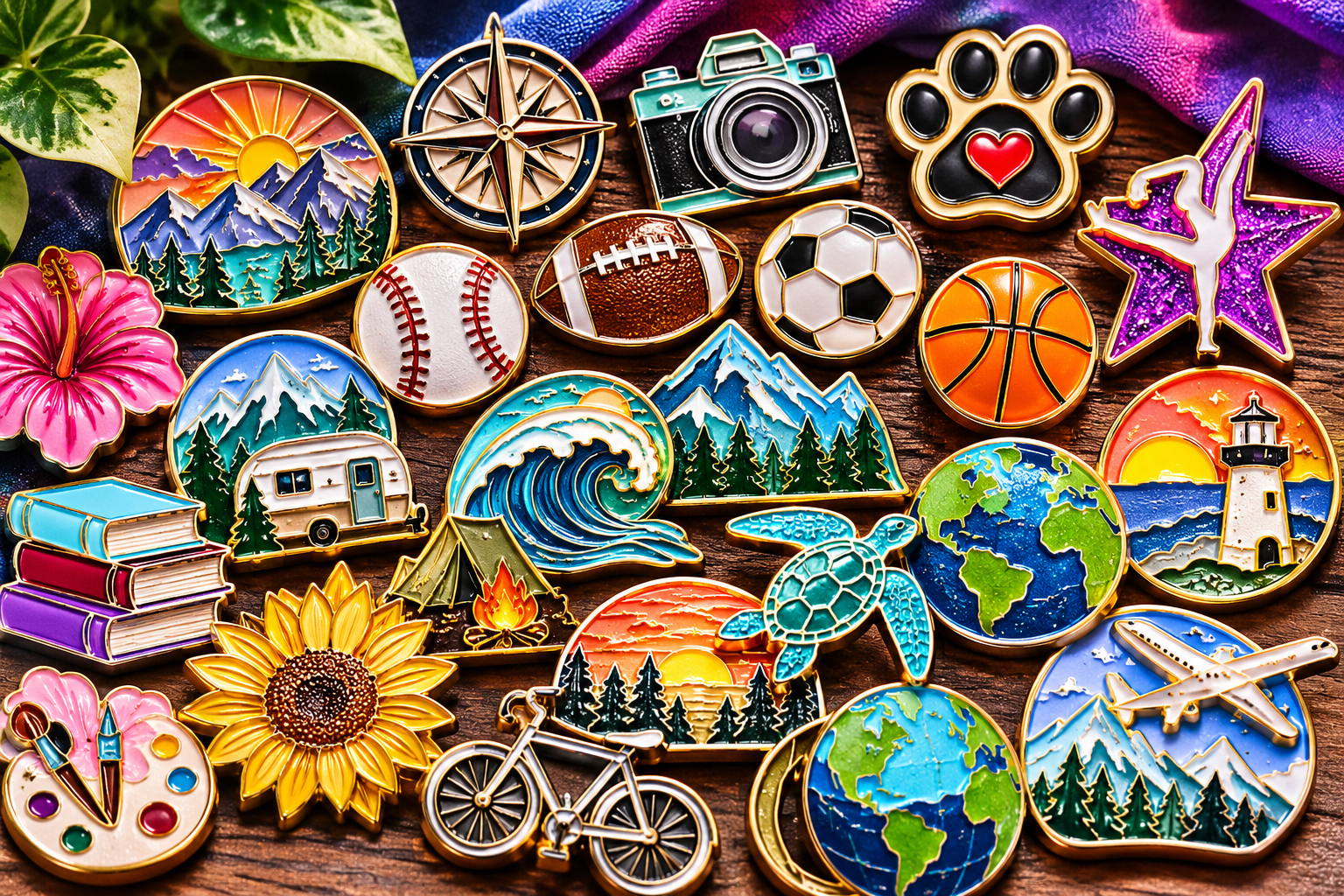
1. Sports Trading Pins
Sports pins are particularly popular at youth tournaments and competitions. Teams may create custom pins featuring their mascot, team name, colors, and event year. Baseball, softball, football, soccer, hockey, cheerleading, and gymnastics can all inspire collectible designs.
Trading pins with other teams can become an exciting part of tournament traditions.
2. Theme Park and Character Pins
Theme park pin collecting is a well-established hobby, with Disney pin trading being one of the best-known examples. Collectors enjoy character designs, attractions, seasonal releases, and special-edition pins.
Participating locations may have their own trading procedures, so it's important to understand the rules before exchanging pins.
3. Travel and Destination Pins
Travel pins are miniature souvenirs that commemorate vacations, national parks, landmarks, countries, and memorable destinations.
Families can collect one pin from each trip, creating a visual record of places they've explored together.
4. Enamel and Artistic Pins
Enamel pins feature artwork ranging from flowers, animals, and hobbies to pop culture and original illustrations.
Independent artists often design distinctive collections, making enamel pins a creative way to celebrate personal interests and support artists.
5. Commemorative and Limited-Edition Pins
Some pins are produced to celebrate milestones, anniversaries, competitions, conventions, or special events.
Limited production runs, unusual designs, and historical significance can make these pins particularly interesting to collectors, although rarity doesn't always guarantee monetary value.
How to Start Your First Trading Pin Collection
Starting a pin collection doesn't require expensive equipment or hundreds of pins. A few thoughtful choices can help you build a collection you genuinely enjoy.
Step 1: Choose a Theme
Begin with something you're passionate about. Your collection might focus on sports, vacations, animals, special events, or favorite hobbies.
Choosing a theme gives your collection direction, but you can always explore additional interests as it grows.
Step 2: Find Your First Pins
Look for pins at sporting events, authorized retailers, museums, attractions, gift shops, artist shops, and hobby events.
You may already have collectible pins tucked away in a drawer or stored with vacation souvenirs.
Start with pins that have personal meaning rather than feeling pressured to purchase rare or expensive pieces.
Step 3: Learn About Your Pins
Take time to explore the story behind each pin. Look for information about its manufacturer, event, design, release year, and whether it belongs to a larger series.
As your collection expands, keeping a record of your pins can help you avoid duplicates and recognize new additions.
Step 4: Organize and Protect Your Collection
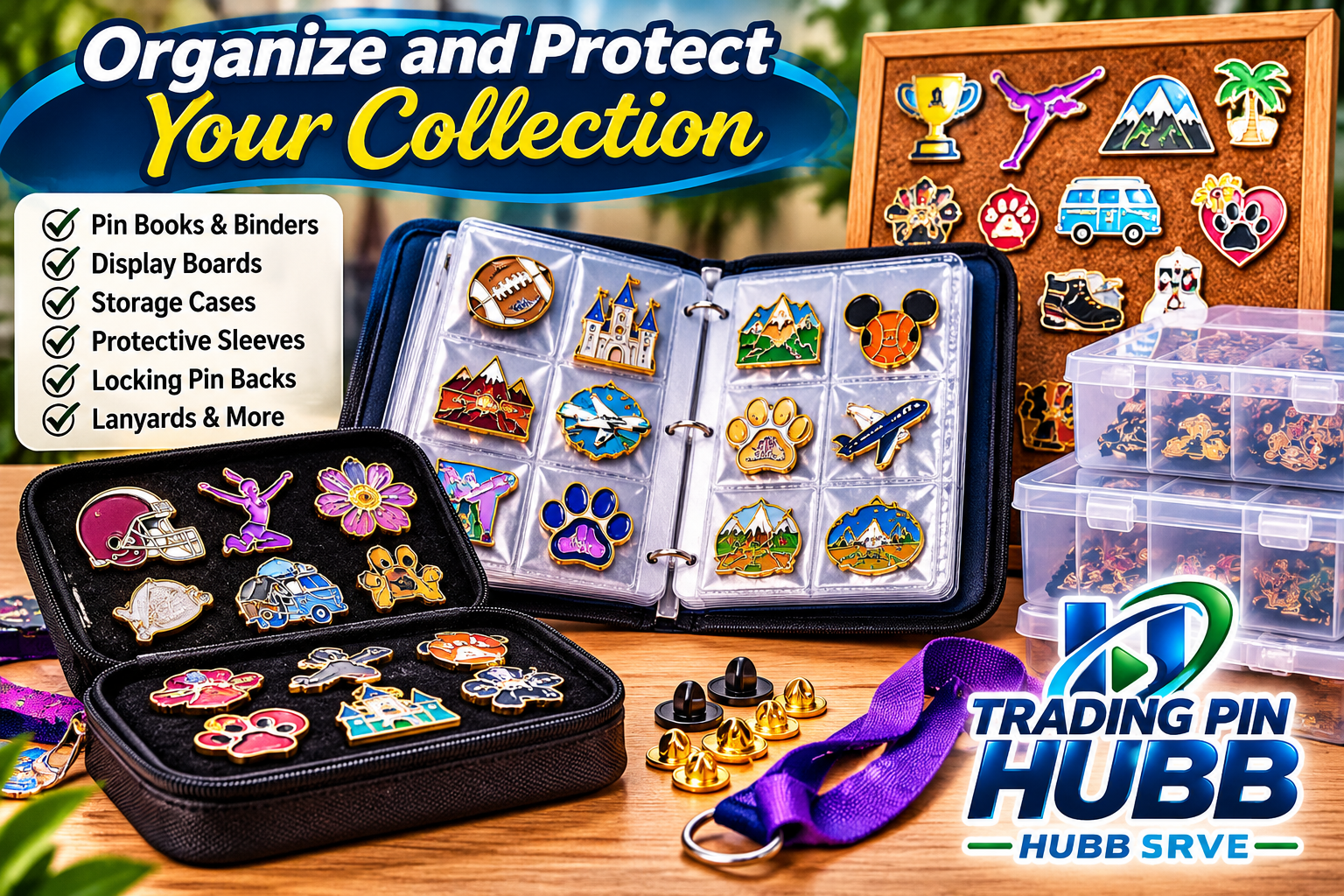
An organized collection is easier to enjoy, display, and trade.
Pin books, display boards, storage cases, and protective accessories help keep your collection accessible and reduce the risk of loss or damage.
Step 5: Discover Pin Trading
Once you've collected a few pins, you may want to exchange duplicates or find new designs through trading.
Organized trading events are a great opportunity to discover new collections, meet other hobbyists, and develop trading skills.
How Does Pin Trading Work?
Pin trading involves exchanging one or more pins with another collector.
At some organized events, trading may follow a specific set of rules. At informal trading gatherings, collectors typically negotiate exchanges based on mutual interest.
For example, a baseball player might trade a team pin with a player from another state. Both players leave with a souvenir representing a team they encountered during the tournament.
The best trades aren't necessarily about obtaining the most valuable pin. They're about finding something meaningful and creating a positive experience.
Pin Trading Etiquette
Be respectful. Always ask before handling someone else's pins.
Understand the trade. Make sure both collectors agree on what is being exchanged.
Check pin condition. Examine clasps, enamel, and any visible damage before trading.
Know the rules. Organized events and theme parks may have specific requirements.
Keep it fun. Nobody should feel pressured to make a trade.
Prioritize safety. Children should trade with adult supervision and avoid sharing personal contact information with strangers.
What Makes a Trading Pin Collectible?
Not every pin has the same level of interest or demand. Several characteristics can influence how collectors view particular designs.
Rarity: Pins produced in limited quantities may be harder to find.
Condition: Pins with intact enamel, minimal scratches, and original backing components may be more desirable.
Design: Creative artwork, unusual shapes, glitter, moving elements, or specialty finishes can make pins stand out.
Age and history: Older pins associated with memorable events or historical milestones may appeal to collectors.
Popularity: Demand can increase for certain themes, characters, tournaments, or discontinued designs.
Personal meaning: A pin from a championship, family vacation, or first tournament may be priceless to its owner, regardless of resale value.
It's important to remember that a pin's asking price doesn't necessarily represent its market value. If you're interested in collectible values, research comparable completed sales rather than relying entirely on seller listings.
Trading Pin Storage and Display Ideas
A growing collection deserves a storage or display system that works for you.
Storage option | Best for |
|---|---|
Pin trading books | Organizing pins and bringing them to events |
Cork display boards | Showing off collections at home |
Fabric banners | Decorative displays organized by theme |
Shadow boxes | Protecting meaningful commemorative pins |
Storage cases | Transporting collections safely |
Locking pin backs | Helping prevent pins from falling off bags or lanyards |
When displaying collectible pins, avoid excessive moisture, direct sunlight, and unnecessary handling that could damage delicate finishes.
Pin Collecting as a Family Hobby
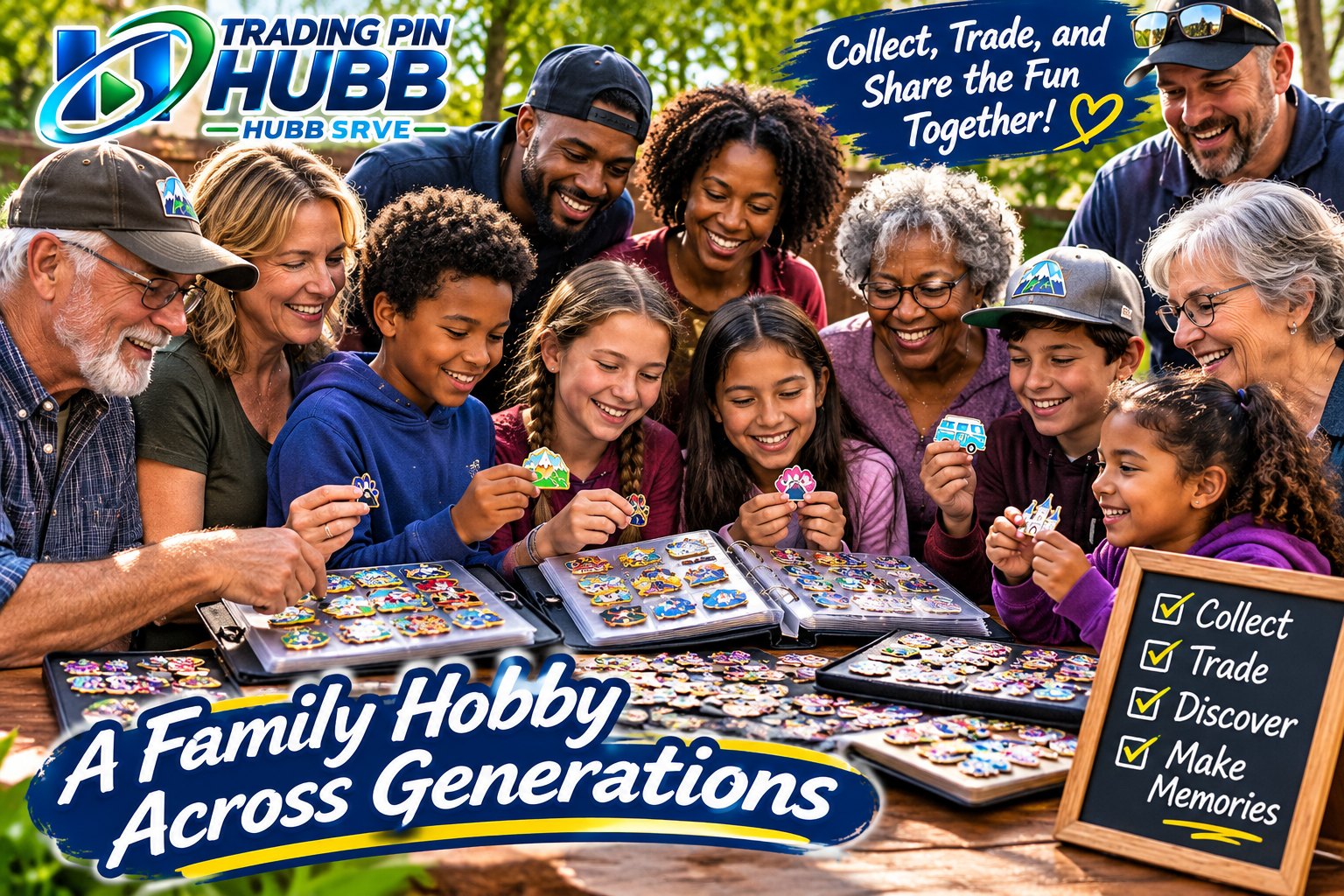
One of the most rewarding aspects of pin collecting is how easily it can become a shared family activity.
Families can start collections around vacations, sports seasons, attractions, or special celebrations.
Imagine collecting a pin from every state you visit, every baseball tournament you attend, or every memorable family adventure.
Over time, the collection becomes more than an assortment of colorful decorations. It becomes a timeline of experiences you've shared.
Pin collecting can also encourage children to practice valuable skills, including organizing, budgeting, communication, negotiation, and decision-making.
Parents can make the experience educational by helping children research the history, geography, or significance of their pins.
Make Pin Collecting a Tradition
Consider creating a family collecting tradition, such as purchasing one pin during each vacation or collecting a special pin at the end of every sports season.
You can even create a yearly family pin display that celebrates your adventures.
As children grow, their interests may change, but the pins can remain special reminders of the experiences that shaped their childhood.
Ready to Start Your Pin Collection?
Whether you're new to collecting or already have a collection filled with sports pins, vacation memories, and unique enamel designs, there's always something new to discover.
At Trading Pin Hubb, explore collecting guides, learn about different types of pins, discover ways to organize your favorites, and find tools to support your hobby.
Looking for supplies to organize, protect, or display your collection? Browse pin trading books, display boards, storage cases, lanyards, locking pin backs, and other collecting accessories to get started.
Affiliate disclosure: Trading Pin Hubb may feature affiliate shopping links. We may earn a commission from qualifying purchases at no additional cost to you