Gymnastics Programs & Pathways | USAG, Xcel, AAU, NGA & YMCA
Gymnastics, Programs, Competitive Pathways, Skill Development
Understanding Gymnastics Programs and Competitive Pathways
From first cartwheels to national championships, gymnastics offers clear programs and pathways that guide athletes from beginner skills to advanced competition. Knowing how these options fit together helps families make confident, long‑term decisions.
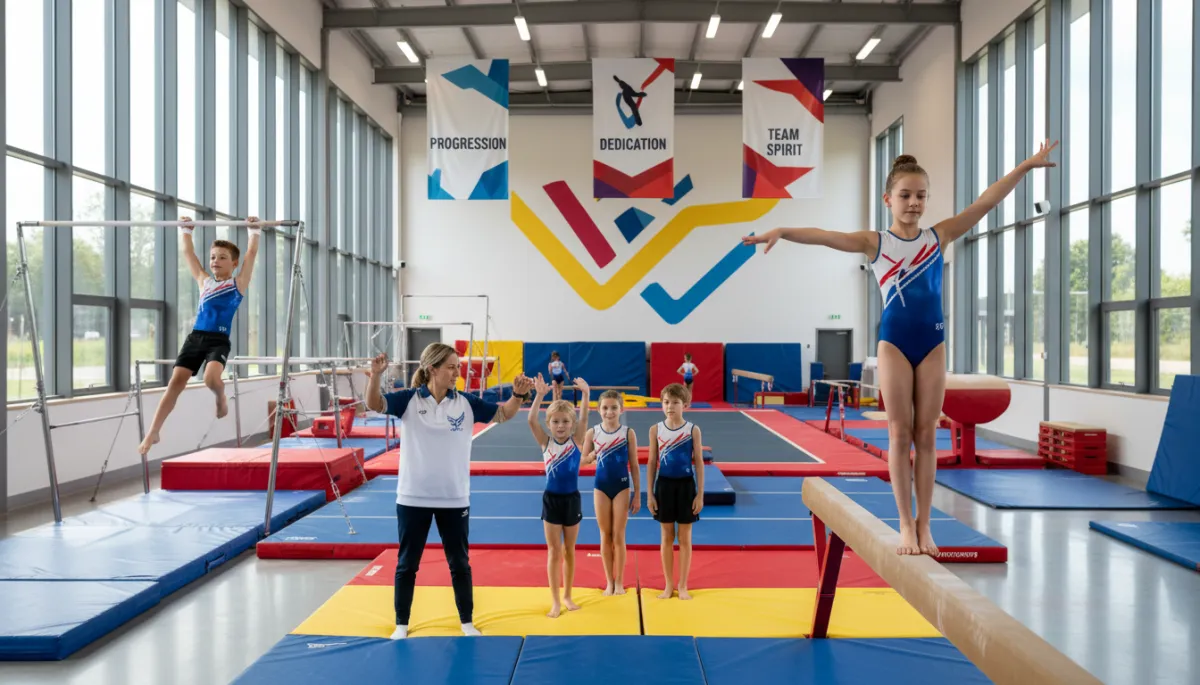
Choose the Right Gymnastics Path
From recreational classes to competitive teams, understand your options and take the next step today—sign up for our newsletter, share this guide with another family, or contact us to explore the best program fit for your gymnast.
“Early positive experiences in gymnastics build the physical literacy and confidence that support lifelong participation in sport.”
— Adapted from research on youth sport development published in the Journal of Sports Science & Medicine
From Recreational Classes to Competitive Gymnastics
When families first step into a gym, the variety of gymnastics programs can feel overwhelming. You may hear terms like “Development Program,” “Xcel,” “AAU,” “NGA,” or “YMCA team” before you even know the difference between a cartwheel and a round‑off. Despite the jargon, every path is built around the same core goals—safe skill development, age‑appropriate progressions, and opportunities to compete when the athlete is ready.
At the broadest level, gymnastics options fall into two categories:
Recreational gymnastics — structured classes focused on learning skills, building strength, and having fun, with no competitive requirement.
Competitive gymnastics — team‑based programs with defined levels, routines, and meets, where gymnasts are scored by judges.
Understanding how these programs connect allows parents and athletes to choose a path that matches their commitment, goals, and schedule—whether that means weekly recreational classes or a year‑round competitive team.
📌 Call to Action: Love exploring gymnastics pathways and programs? Follow Gymnastics Hubb on Hubb Serve to discover more insights, resources, and communities built around the sport you love.
Clarifying Your Gymnastics Goals as a Beginner
Before joining a specific program, start with a simple question: What does the gymnast want from the sport right now? For beginners, goals usually fall into a few clear categories:
Learning basic skills, improving coordination, and staying active in a supportive environment.
Building strength, flexibility, and confidence through structured skill development.
Working toward competition—first at the local level, then possibly at state, regional, or national events.
A gymnast’s goals can change over time. Many athletes begin in recreational classes, discover a passion for the sport, then move into a competitive pathway. Others stay in recreational programs for years, using gymnastics as a foundation for overall athletic development. A well‑run gym will help you reassess goals regularly and recommend the next step when the athlete is ready.
Overview of Major Competitive Gymnastics Programs
In the United States, most competitive pathways are organized under a few national bodies. Each offers its own structure, rules, and championship events, but all focus on progressive skill development and athlete safety. The most common options you will encounter include:
USA Gymnastics (USAG) Development Program — the traditional level‑based pathway many people associate with women’s artistic gymnastics.
USAG Xcel Program — a flexible alternative that allows more individualized routines and varied time commitments.
Amateur Athletic Union (AAU) — a large multi‑sport organization with its own gymnastics rules, divisions, and championships.
YMCA Competitive Gymnastics — programs run through local YMCAs, often using USAG levels or Xcel as a framework.
National Gymnastics Association (NGA) — an all‑optional system focused on routine creativity within defined difficulty guidelines.
Gyms may offer one or several of these options. The “best” program is the one that aligns with your athlete’s current goals, preferred training schedule, and long‑term interest in the sport—not a label on a leotard or a banner on the wall.
USA Gymnastics Women’s Artistic Pathways
USAG Development Program (DP)
The USAG Development Program is a highly structured competitive pathway that progresses gymnasts through numbered levels—typically Levels 1–10—on vault, bars, beam, and floor. Early levels emphasize foundational skill development: strong basics, shapes, and body control. As gymnasts advance, routines become more complex, and athletes gain the option to design individualized routines at the higher levels.
For families, the Development Program often means a larger time commitment, more frequent practices, and travel to meets during competition season. In return, athletes receive a clear progression, consistent judging standards, and access to state, regional, and national championship pathways when they reach the qualifying levels.
USAG Xcel Program
The USAG Xcel Program was designed to give gymnasts more flexibility while still offering meaningful competition. Instead of numbered levels, Xcel uses divisions—such as Bronze, Silver, Gold, Platinum, and Diamond—each with minimum skill and difficulty requirements. Within those guidelines, gymnasts and coaches can build routines that highlight the athlete’s strengths, accommodate different body types, and fit individual training schedules.
Xcel can be a strong choice for athletes who start later, participate in multiple sports, or prefer a balanced commitment. It still demands disciplined training and thoughtful skill development, but often with fewer weekly hours than upper‑level Development Program training. Many gyms use Xcel as a long‑term home for athletes or as a bridge between recreational and more intensive competitive tracks.
AAU, YMCA, and NGA Competitive Options
Amateur Athletic Union (AAU) Gymnastics
AAU Gymnastics operates as a national program with its own membership, rules, and championship events. While its levels and scoring often mirror familiar USAG structures, AAU may offer additional flexibility in meet formats, age divisions, and participation requirements. Many families appreciate AAU’s emphasis on accessibility, team spirit, and a positive competitive environment, especially for athletes who enjoy competition but do not seek the most intensive training schedules.
YMCA Competitive Gymnastics
YMCA programs typically combine recreational classes with competitive teams under one roof. Many YMCA teams use USAG levels or Xcel divisions as their technical framework, while competing primarily in YMCA‑sanctioned leagues and meets. This can create a community‑focused atmosphere—families often know each other well, and athletes train alongside friends from school or local activities. For beginners, a YMCA program can provide a clear introduction to team expectations without immediately stepping into the highest‑pressure competitive circuits.
National Gymnastics Association (NGA)
The National Gymnastics Association focuses on an all‑optional format, meaning routines are custom‑built at every level within defined difficulty and composition rules. For athletes, this can translate into greater routine creativity and the ability to showcase unique strengths—such as dance quality on floor or amplitude on vault—while still following a consistent national rulebook. NGA hosts its own meets and National Championships, giving gyms another structured competitive pathway that can stand alone or complement other programs.
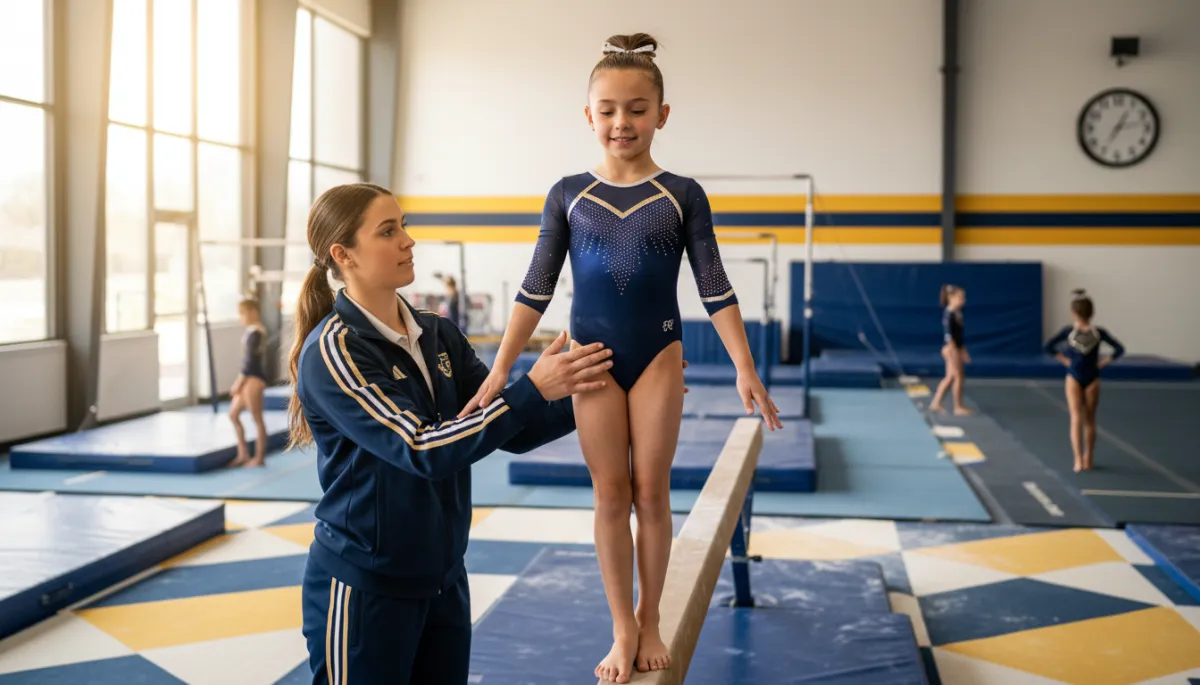
Quality coaching and clear progressions keep skill development safe, steady, and confidence‑building.
Recreational Gymnastics and Foundational Skill Development
Recreational gymnastics is where most athletes begin—and where many happily stay. These classes focus on fundamental skill development: rolls, handstands, cartwheels, basic bar swings, beam walks, and safe landings. Coaches use progressions, drills, and conditioning to build strength, flexibility, and body awareness before introducing more advanced skills. For beginners, this stage is critical; strong basics make later skills safer, cleaner, and easier to learn.
Recreational pathways may include:
Preschool and early childhood classes that emphasize movement, listening, and coordination.
School‑age beginner and intermediate classes that introduce all four women’s events.
Advanced recreational or pre‑team groups that prepare athletes for future competitive options.
A strong recreational program does more than teach tricks. It builds discipline, resilience, and confidence—qualities that serve athletes well whether they move into competition or apply those traits in school, other sports, and everyday life.
How to Choose the Right Gymnastics Path for Your Athlete
For beginners, the most important decision is not which acronym appears on a competition banner—it is whether the program’s expectations match your athlete’s stage and your family’s lifestyle. To evaluate options, ask each gym clear, direct questions:
Which gymnastics programs do you offer—recreational, pre‑team, and competitive—and how do athletes move between them?
What is the typical practice schedule and time commitment at each level or division?
How do you approach skill development and safety, especially when athletes are eager to “move up” quickly?
When do gymnasts typically begin competing, and what does a standard competition season look like here?
A trustworthy program will answer these questions directly, outline realistic expectations, and emphasize long‑term athletic health over short‑term results. For beginners, that balance—steady progress, appropriate challenge, and a supportive environment—is far more important than the specific name of the pathway.
Bringing It All Together: Programs, Pathways, and Progress
Gymnastics offers a clear structure—from recreational classes to national‑level competition—but no single route is right for every athlete. Gymnastics programs like USAG Development, Xcel, AAU, YMCA, and NGA all provide legitimate competitive pathways, each with its own emphasis and culture. Underneath those labels, the essentials remain the same: safe progressions, consistent skill development, and coaches who prioritize the athlete’s long‑term well‑being.
As a beginner, your first responsibility is not to memorize every acronym. It is to find a program that teaches strong basics, communicates clearly, and respects your athlete’s pace. With that foundation in place, you can adjust the pathway over time—adding training hours, changing divisions, or exploring new organizations—as your gymnast’s goals become more defined.
Start with a solid recreational or entry‑level competitive class, ask informed questions, and watch how your athlete responds. The right path in gymnastics is not the one that looks most impressive from the outside—it is the one that keeps your gymnast learning, growing, and excited to walk into the gym week after week.
Next Steps on Hubb Serve
🔎 Looking for something new to explore? Discover hobbies, sports, creative interests, technology, communities, products, and more across Hubb Serve.
📌 Want to capture your Interest online? Join Hubb Serve to bring your interests, content, recommendations, and online presence together in one place. Whether you want to share, build, grow, or earn, you can join Hubb Serve and start creating your Hubb today.